
Traveling to Kenya can be an incredible experience, but it’s important to be well-prepared to ensure a safe and enjoyable trip. Here are some crucial pointers for anybody planning a trip to Kenya:
1. Documentation and Visa
Planning for Your Trip: Traveling to Kenya – Understand the culture, climate, and best practices to ensure a smooth experience.
Visa: Verify whether you require a visa in order to enter Kenya. Before departing, people of many nations can apply online for an e-visa.
Passport: Verify that it is valid for a minimum of six months after the date of entrance.
Vaccinations: If you are traveling from a nation where there is a danger of yellow fever transmission, you must have a certificate of immunization against the disease. Meningitis, typhoid, and hepatitis A immunizations are also advised.
2. Safety and Health
Malaria: The country of Kenya is prone to malaria. Use insect repellent, especially at night, and take preventative medicine.
Water: To prevent waterborne illnesses, drink purified or bottled water.
Insurance: Make sure you have full-coverage travel insurance that includes coverage for evacuation, medical costs, and trip cancellations.
3. Payments and Currency
Currency: The Kenyan Shilling (KES) is the native currency. For little transactions, keep extra cash on hand because not all establishments take credit cards.
ATMs: In both cities and towns, ATMs are commonly accessible. To prevent problems with card usage, let your bank know about your trip schedule.
Tipping: In Kenya, leaving a tip is traditional. Small gratuities for drivers and guides are appreciated, and a tip is customary at restaurants.
4. Transportation Flights: Flying domestically is a practical method to get from one city or park to another.
Roads: The state of the roads might change. For safaris, it is advised to rent a 4×4 vehicle with a driver.
Matatus: These are short-distance local minibuses. Use caution when using them because they might be crowded and less secure.
5. Lodging and Camps: Reserve lodging well in advance, particularly during the busiest times of the year (July–October and December–March).
Camping: Make sure you have the required equipment and are knowledgeable about safety measures if you intend to camp.
6. Essentials of Packing
Clothes: Bring warmer layers for chilly nights and airy, light attire during the day. The ideal color scheme for safaris is neutral.
Footwear: For treks and safaris in particular, comfortable walking shoes or boots are a must.
Equipment: Pack sunglasses, a hat, sunscreen, binoculars, and a decent camera to capture the best sightings
7. Etiquette in Culture
Kenyans are amiable people who value courteous welcomes. “Jambo” (Hello) is always appreciated.
Respect: Show consideration for regional traditions and customs. Before snapping a picture of someone, always get their consent.
Dress Modestly: To demonstrate respect, dress modestly when visiting cultural sites and in rural communities.
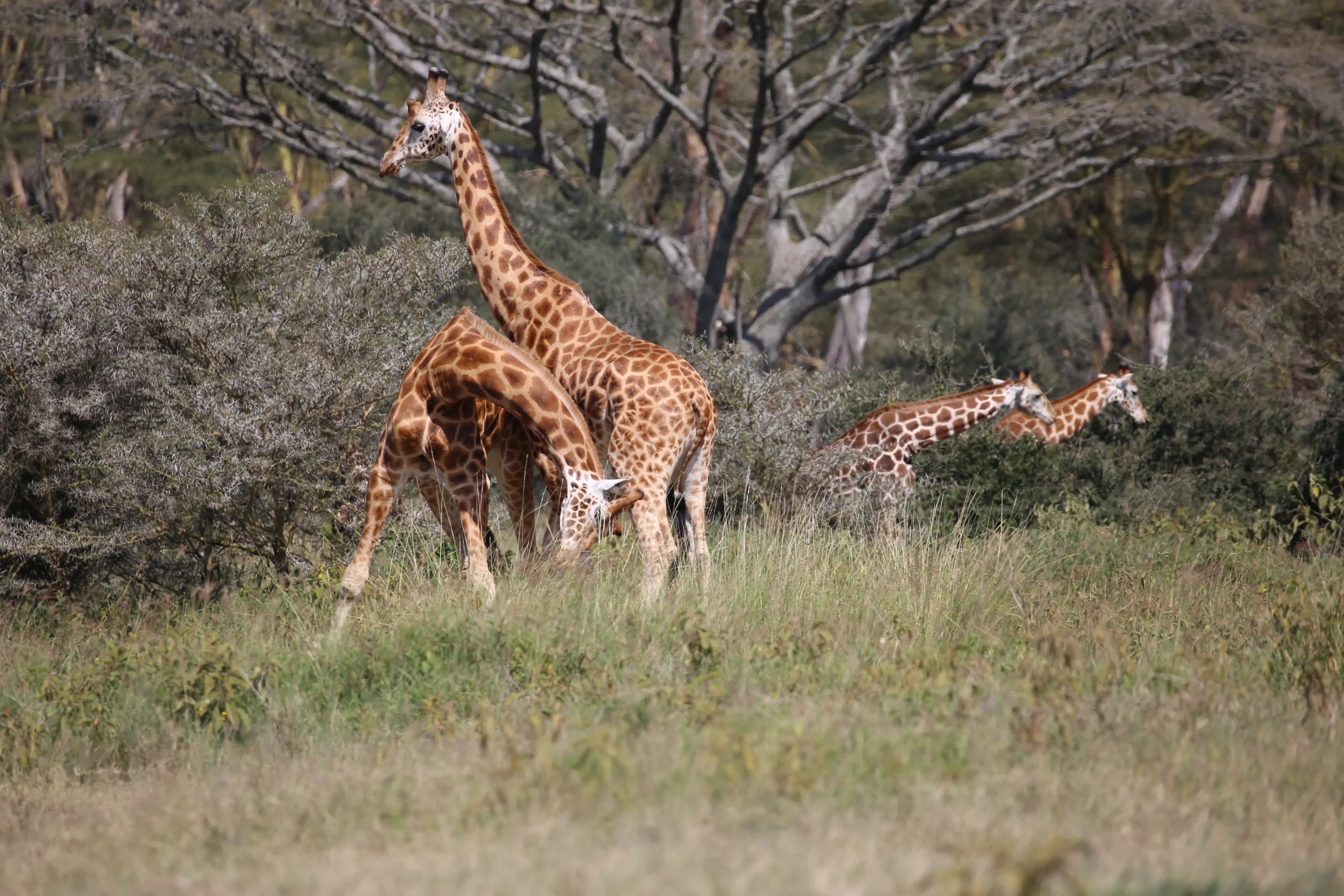
8. Wildlife & Nature Safaris: Always do what your guide directs. Don’t feed animals and stay a safe distance away from them.
Conservation: Encourage environmentally beneficial behavior and refrain from buying goods derived from threatened or endangered animals.
9. Communication Language: The official languages are Swahili and English. It might be beneficial to learn a few simple Swahili phrases.
SIM Cards: For reasonably priced mobile data and calls, get a local SIM card. Safaricom is a well-known supplier.
10. Police Emergency Contacts: 112 or 999
Either 999 or 112 ambulances
Helpline for Tourists: +254 20 237 9407
11. Best Time to Visit: Since animals congregate around water sources, June through October is the ideal time of year to see wildlife.
Wet Season: The wet season, which runs from November to May, brings beautiful scenery and less visitors. Some routes, though, can be inaccessible.
12. Regional Food
Taste Local Foods: Try Kenyan foods include ugali (maize porridge), nyama choma (grilled beef), and sukuma wiki (collard greens).
Street Food: Exercise caution when consuming street food. Make sure it’s served hot and freshly prepared.
These pointers can help you have a seamless and unforgettable journey to Kenya, where you may take in its breathtaking scenery, rich culture, and amazing wildlife.
